Category Archives: Review
Review: The Outer Worlds 2
As mentioned, I recently completed The Outer Worlds 2 (TOW2) after about 70 hours of playing. There is a lot of like about TOW2, especially in comparison to the original game, but there is an equal (or greater) amount of terrible game design. Moreover, for all the news articles extolling Obsidian’s return to Fallout: New Vegas form with this title, I see regression at best. And, seriously guys, it’s been 15 years.
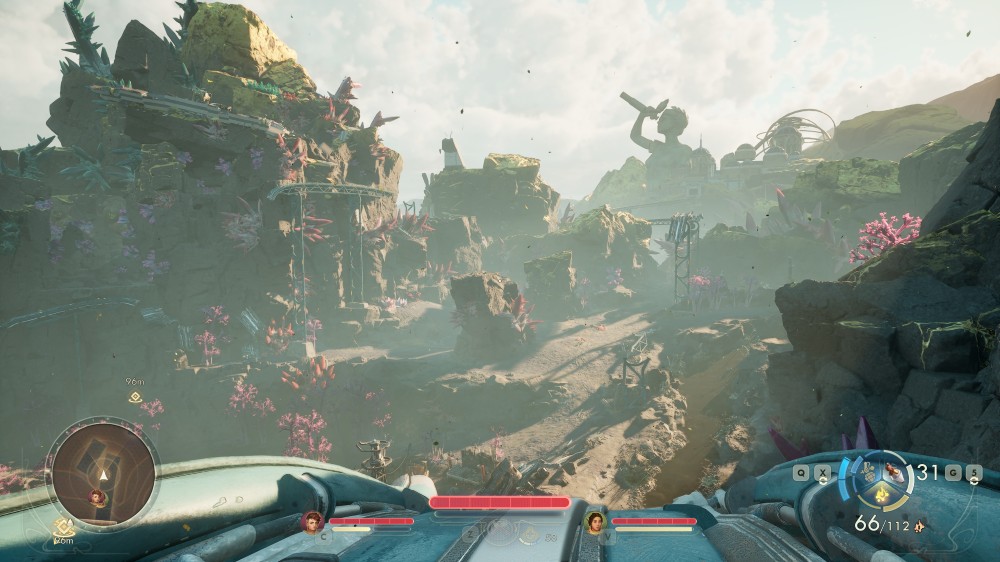
First, the good stuff. The game is gorgeous, maps are large, the skyboxes interesting. One of my criticisms from the first game was that interior spaces felt generic and cut & paste in the “let’s pretend it was on purpose because modular sci-fi habitats” kind of way. Thankfully, TOW2 feels much more diverse and detailed. There is still a definite lack of something that the aging Bethesda Gameybro Engine is able to evoke, but it is worlds better than before. Also, the act of traversing the landscape itself feels great, with double-jumping and auto-vaulting on par or better than with Avowed.
Gunplay and collecting bits and bobs out in the world is also much improved. There are baseball-esque cards sprinkled around everywhere that grant you +1% critical hit chance (etc), which makes exploration more exciting. The world is populated with many junk items that can be broken down into crafting components and then turned into ammo or mods. The original game featured a punishing repair/tinker system that drained you of resources; this one lets you use whatever guns or armor you want (for the most part) straight into the endgame.
Where the game falls apart for me is with the Skill Checks, and a broader fetishization of “choices matter” when they really do not.

Before I begin, there is one aspect of Skills I do want to give Obsidian credit for: they solved the combat vs social skills dilemma. In almost every RPG I have played, allocating a limited amount of points into something like Speech meant you were radically weaker than someone who put them in Guns. Broadly speaking, that is not the case in TOW2. Each point is Speech gives you a +10% damage bonus against Human targets. There is further a Perk called Space Ranger that gives you a 2.5% damage bonus against all targets for every level of Speech you have. While that is not as good as an unconditional 10% per Guns level, it no longer feels as though you need to gimp your character in order to talk to characters in an RPG.
But, see… that’s just the thing. This is a game of “choices” which is governed almost exclusively by Skill checks. In the original game, you could respec, wear gear with Skill bonuses, or even take certain companions with you to achieve certain Skill thresholds. Not anymore. You are hard-capped at level 30, meaning you can have three Skills at 20 with maybe two points elsewhere; two Skills at 20 with a few more at scattered about; or a single 20 Skill and a more even distribution across a few interesting ones. Obsidian devs have said they wanted players’ “choices to matter” and for players to commit to mistakes. Choices made… where? On the character page, prior to knowing anything about the rest of the game? Something like the very meaningful choice between Lockpicking 5 and Lockpicking 6?
The end result is this nonsense:

I spent the last third of the game with 17 unallocated Skill points, and 5 unchosen Perks. This is an epic game design fail on all sorts of levels. For a start, it illustrates how easily I was able to forgo 170% extra gun damage and still breeze through the game (on Normal). Indeed, my “build” was capable of one-shotting every non-boss enemy in the game from stealth… with zero points in Sneak. Second, it makes a mockery of “commitment and/or consequence” seeing as how I was easily able to pop into the character menu and become an expert of any relevant Skill as needed. Finally, it demonstrates how boring the capstone Perks (ones requiring 20 points in X) were, that I was completely unmoved to commit the Skills points needed to get there. As a matter of fact, almost none of the Perks were especially relevant or impactful, which is crazy considering there are 90 of them.
Now, as pointed out in my Tips post, you don’t actually have to max out Skills to avail yourself of all the most meaningful options. You wouldn’t know that while playing the game though, which is part of the problem. A lack of meaningful information precludes a meaningful choice. Would you still choose to get to Speech 20 if you knew Speech 9 was good enough for the kumbaya ending? Or, honestly, Speech 5 considering how odious one of the factions ends up being. And if Speech 5 is good enough, why do we need Speech to be the determining factor in the decisions our character makes at all?
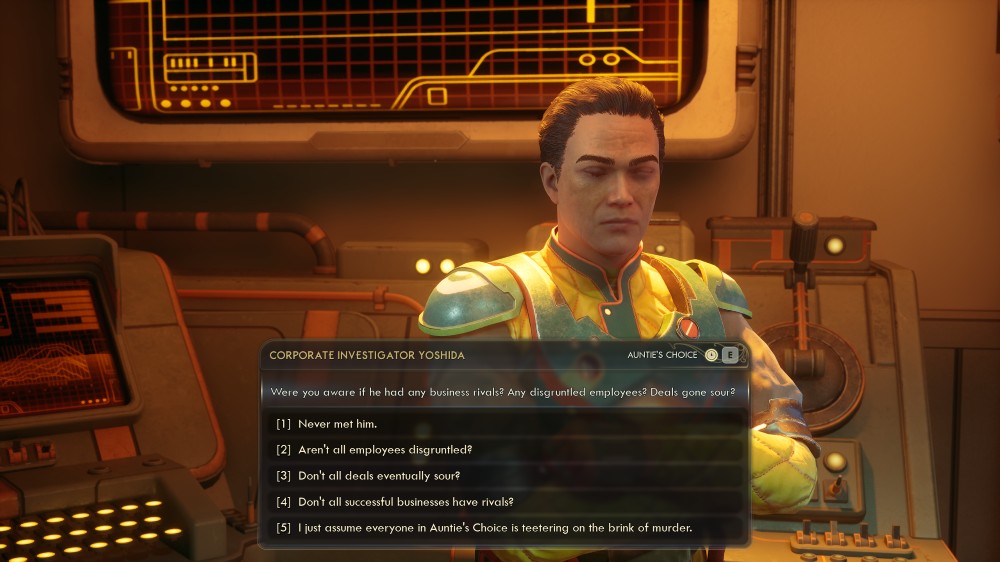
“It’s an RPG.” So are Mass Effect and Dragon Age: Origins. Is a game only an RPG if you have to put points in a Speech skill in order to make decisions? That sounds more like a Roll-playing game, amirite.
Having said all that, a lot of this is moot because the overall narrative of TOW2 is weak. The game starts off fairly strong with a much more consistent tone than the original. You learn about Auntie’s Choice, the ultra-capitalistic caricature of corporations from the first game, and then interact with the Protectorate, the ultra-authoritarian, brainwashing, jobs-assigned-at-birth and report-your-family-members bad guys. Later, you meet the Order, who represent scientists who use math and probability to predict the future. But then the Protectorate becomes generic antagonists and you just have Auntie’s Choice and the Order to play off one another and I could not be less interested. The vaunted, hard-hitting choices from the makers of Fallout: New Vegas boil down to who you want to attack you on sight for not taking them to prom. With a high enough Speech skill, you can take them both. Whee.
Maybe that is reductionist. All I know is that I played through all the faction quests and did not once feel a spec of moral gravity. Compare that to interacting with Caesar’s Legion, NCR, House, or going it alone in New Vegas. The companion quests in TOW2 did fare better than the main story, but it is one of those situations in which you sort of question why the writers are hiding the light under the bushel of characters you technically don’t even have to recruit. Maybe that’s what they mean by choice? Then again, that’s sort of like saying you’re making meaningful choices by not playing the game.
…which I may ultimately recommend.
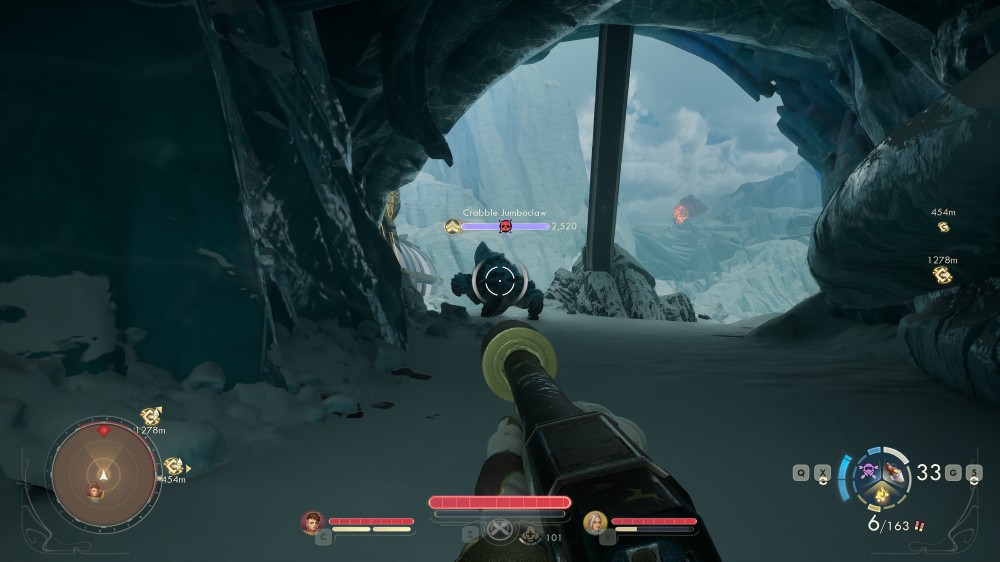
In the final analysis, I did end up playing The Outer Worlds 2 to conclusion after 70 hours, so there’s something there. By the end of the utter slog that is the third act though – especially when Obsidian goes full Starfield with forcing you to fast travel across planets via 10 loading screens to talk to NPCs – all I could really think about is how much better Avowed was in comparison.
And I didn’t really like Avowed. At least it had respecs though.
Review: Death Howl
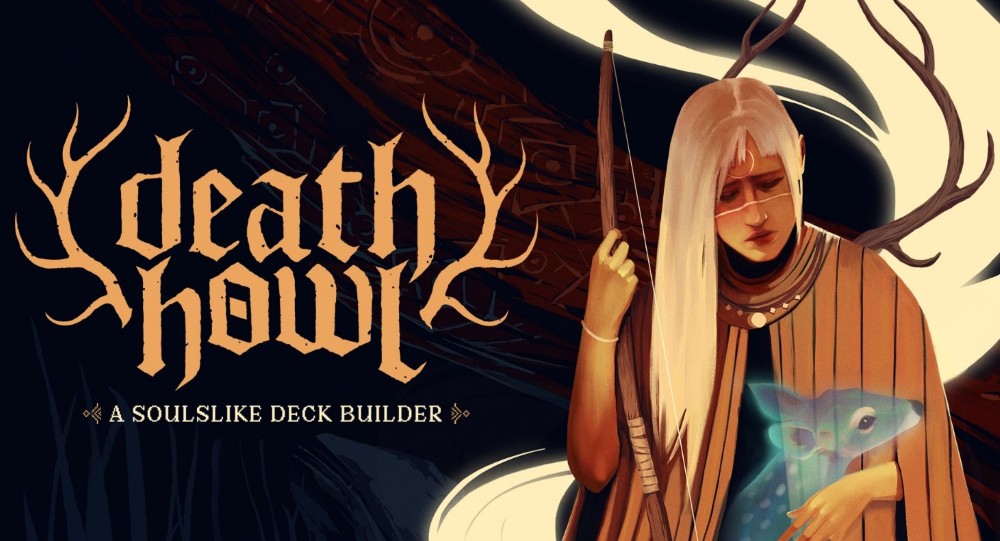
Death Howl is a self-described “Soulslike deck builder” that I completed in about 24 total hours on Game Pass. It features low-fi visuals, a trippy pre-historic Scandinavian story, deck building combined with grid-movement, and some evocative and deadly enemies.
The general gameplay is you moving Ro around the spirt-world landscape in a click-to-move way, collecting resources laying around, and then encountering the outline of a grid near some static enemies. Cross the grid and you will see the claustrophobic fighting arena, which enemies are present, and any special terrain. At this point, you can exit the battle without penalty. Choosing a starting square (based on which direction you came from) will begin combat.

The fights are relatively quick, brutal affairs. You start with five energy, with movement consuming one energy per square, and the cards consuming the card-specific amount. You can glean a little bit of information from hovering over the evil spirits, but it is limited to their movement range and if they have certain buffs. It is actually quite frustrating how little information you are given during these fights, as you do not even know ahead of time which enemies will go first. Into the Breach this ain’t. At the end of your turn, you discard your hand, the enemies take their turns, and then you draw more cards. Defeating all enemies awards you with both additional resources and “death howls,” which are necessary to craft more cards.
Incidentally, the whole “Soulslike” marketing basically describes what happens when you die/save the game. If you die in a given battle, you come back to life with the same HP right outside of the grid of the battle you lost. What you lose are any accumulated death howls, which are now floating on a random combat square. Should you start the fight over, you can recollect them, or an enemy will get a huge buff if they walk over them instead. To save and/or heal your HP, you must navigate to a Sacred Grove (e.g. campfire) and convert any death howls into a progression currency. This process will also reset ALL enemies on the map. Luckily, you can freely fast-travel to any previously-unlocked Sacred Grove, so you are generally only ever 2-3 fights away from a save point.
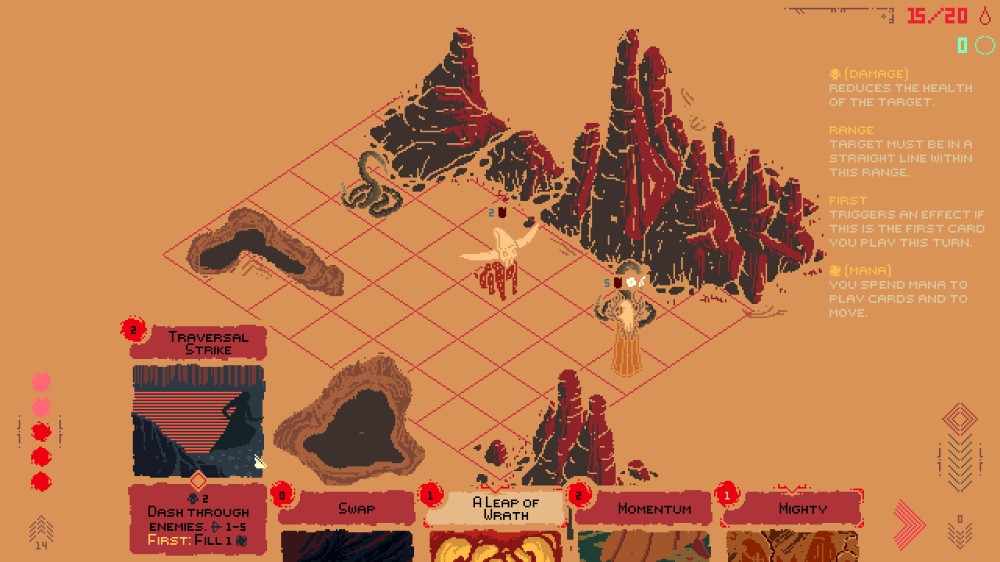
Your deck building options are limited to start… and kinda stay limited. Decks have to be at least 15 cards but no more than 20. You can have no more than 5 cards that have the Exhaust keyword (e.g. one-time use per battle). As you collect resources, you’ll hit thresholds at which unlock four more cards for the specific Realm that you are navigating; actually crafting these cards to be put into your deck require the consumption of resources and death howls. The Realm-specific cards are almost always better than the generic Realmless cards you start with, but are generally keyed to a certain style of play. For example, the beginning Realm of Distorted Hollows features a lot of discard-style synergy or cards that do bonus stuff if it kills and enemy. Meanwhile, cards from the Realm of Hostile Plains focus on movement-based synergy or cards that do bonus stuff if it’s the first card you play in a turn.
A limiting wrinkle is that as you move around the four Realms, cards not of that Realm cost 1 more energy to use. This generally makes it close to impossible to leverage previously-unlocked cards to jumpstart your fights in a new zone, but some exceptions do exist. For example, some 0-cost cards are still good at moving around the battlefield at 1-energy. Considering that by the end of the first zone I had a deck capable of playing dozens of cards per turn, I did actually appreciate the game forcing me to try new strategies as I progressed. It can be somewhat annoying though having to play with jank until you unlock enough Realm-specific cards though.
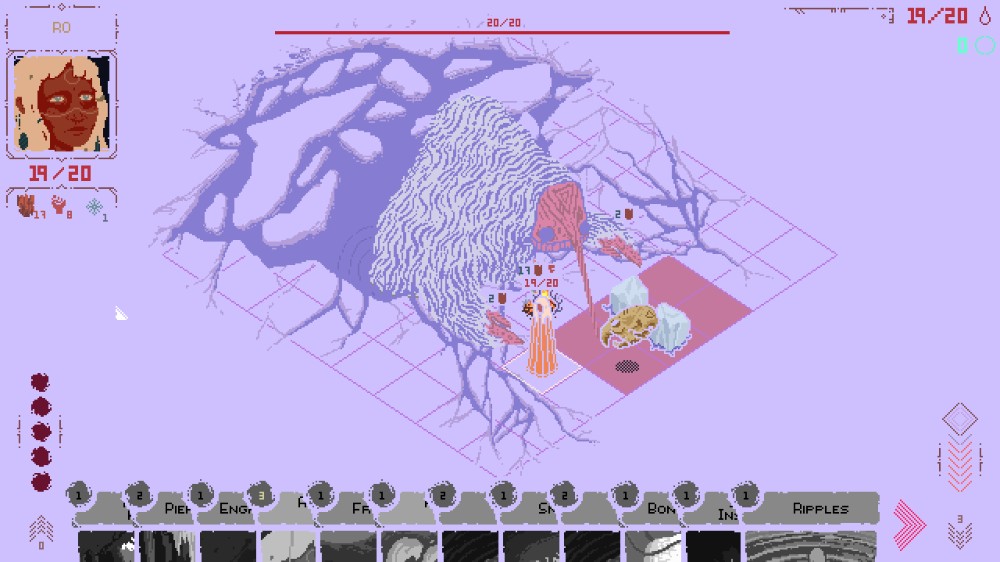
Overall, I enjoyed the first 16 hours (of 24) of Death Howl, but it definitely started to drag after a while. Each Realm has three maps, and each map generally has side quests with interesting card rewards and “Nests” that can contain slottable Relics to enhance your strategies. Or they can just contain the progression currency which you could easily farm from simple enemies. Fighting 8-10 battles to complete side-quests only to be given more of the same currency you already earned completing those same battles feels terrible. If the devs could have some visual indication on these quests/Nests that something special is in them, that would have been great.
If you’re a fan of deck building games with a movement grid, I say give Death Howl a shot. This isn’t a roguelike and won’t scratch the Slay the Spire itch, but it gets close. Just… stop when you’re done, IMO.
Review: Nex Playground
As I’m coming up on a full year of “ownership,” and with it being more topical this holiday season (e.g. 2nd best-selling console this past Black Friday), let’s talk about the Nex Playground.

Essentially, the Nex is a motion-controlled game console with an all-in-one subscription model. Think Kinnect or Wii Sports, minus the controllers. For $250 retail price, you get the Nex cube, a remote, and permanent access to five party-style games. The “real” experience requires a further purchase of a 12-month Play Pass for $89, or the 3-month Play Pass for an usurious $49. At the time of this writing, there are bundles on Amazon that include the Nex and a 12-month pass for as low as $288.
Is it worth it?
Well… do you have kids as of yet unsullied by Fortnite, Minecraft, and/or Youtube? Then: probably.
I’ll go into more detail on the games below, but it is important to reiterate that the Nex is a motion-controlled device. Not all the games require you to be standing, squatting, and/or jumping, but you will nevertheless be using your arms 100% of the time at a minimum. Even if you or your kids are physically active, this is not something you will likely be playing for 1-2 hours at a time. If your immediate thought after reading that was “well, no one should be sitting/playing videogames for that long anyway,” then, yeah, the Nex is probably for you.
Base Games
Without the Play Pass, you are limited to these five games:
- Fruit Ninja
- Whac-a-Mole
- Go Keeper
- Party Fowl
- Starri
The first three are basically “arcade” style games that may or may not amuse you or children for a length of time. Party Fowl is a sort of goofy Mario Party knock-off filled with 90-second minigames. An example would be squatting to empty a helicopter bucket full of water onto gingerbread men running around on fire. Or shaking up virtual pop bottles and spraying them at the other person.

One of the killer apps for the Nex system though is Starri. This is a rhythm game akin to a VR-less Beat Saber, or perhaps an arms-based Dance Dance Revolution. There is an eclectic mix of songs, including several ones from Imagine Dragons, some Lady Gaga, Sia, and other contemporary artists. Last year, there were also a large amount of K-pop, but many of those rotated out; there still are a lot of anime songs. Regardless, Starri feels like a full-fledged game, with each song having three difficulty levels, in-game cosmetic unlocks, two different hand “game styles,” and so on.
Of all the games available, Starri stands out as something an adult could play solo and enjoy long-term.
Play Pass Games

Tumbo Bots is one of the best-designed games on the system, hands down (or up). Basically, it’s a 1v1 battle game where you try to score points by hitting the red button on the other player’s head, and/or collecting coins if they’re available on the map. There’s also a soccer mode. What makes it fun are how your arms controls the legs of the bots, which requires you to swing them wildly about. QWOP-style, in order to move and jump. There is a large variety of maps and characters, and Little Man has gotten quite good at beating me even if I don’t totally sandbag my play (… but I still sandbag a bit).

Doodle Heads is another favorite, to a slightly lesser degree. It’s kind of a Galaga-style game if children drew all the sprites, but it does feature four different heroes and six bosses across 12 levels. Just be prepared to be waving your hands above your head the entire time, as that is how you shoot.
…and that’s primarily it.
In reality, there are 40 other games within the Play Pass, but not all of them are especially good. Or fun. For example, there is Teenage Mutant Ninja Turtles: Rooftop Mayhem, which is essentially a side-scrolling Temple Run. Does anyone remember Temple Run? Basically where you’re in a fixed perspective going along a track while avoiding obstacles? Little Man played TMNT for like an hour one day, but I doubt he ever goes back. And there are three more licensed games in exactly that same style: Miraculous Ladybug: Paris Dash; Care Bears: Rainbow Ride; Candy Land: Sugar Sprint. A waste, IMO.
The other licensed content isn’t as bad. Kung Fu Panda, How to Train Your Dragon, and Cookie Monster have all went different directions. The problem I have with many of these other ones though is what I consider missteps with the property. For example, the Kung Fu Panda game is about training by hitting logs, chopping wood planks, and so on. Good. All of this gameplay is only available after long, unnecessary (and unskippable) exposition by knockoff voice actors. Very bad.
This is actually a more general weakness with many of the games wherein there are a lot of clunky menus and “plot” when you just want to be throwing hands and legs as soon as possible. Or when there are menus upon menus for games for which the core audience may not be able to read yet. I’m looking at you, Cookie Monster.
Final Thoughts
Whether a Nex is a good addition to your home comes down to your projected use-case.
If you are buying a Nex because “it’s cheaper than a Switch 2,” then you’re probably in a for a bad time. The current Amazon sale price of $288 includes a year of the Play Pass, which is good value… compared to the standard price of $250 + $89. But even on sale, the best-case scenario – in which your kids are totally happy playing with just the Nex – is that you’re still on the hook for another $89 Year 2. That’s now $377. Still technically cheaper, but they pretty much got you stuck.
And, really, what are the odds that your kids aren’t going to what to play Mario Kart (etc)?
If instead you treat the Nex as (slightly) guilt-free form of screentime exercise for the kids, and potentially for the whole family? That’s another story. Obviously you can do comparable movement things with Switch Sports and the like, but it may mitigate drama to have an entirely separate ecosystem wherein Minecraft, Mario Kart, or whatever else isn’t staring them in the face. Indeed, in our house, we don’t really even call the Nex “videogames” – it’s just something we do when the weather is too bad to go outside and we need to burn some energy.
Abiotic Factor is Incredible
Whatever plans I had for Blaugust (read: none) these past weeks evaporated in the furnace of fun that is Abiotic Factor. I played about 18 hours worth a year ago and stopped because I was having too much fun, and wanted to wait until the complete experience was available. Well, it’s here, and I currently have… 130 hours logged. Not even counting the original 18. Jesus Christ.
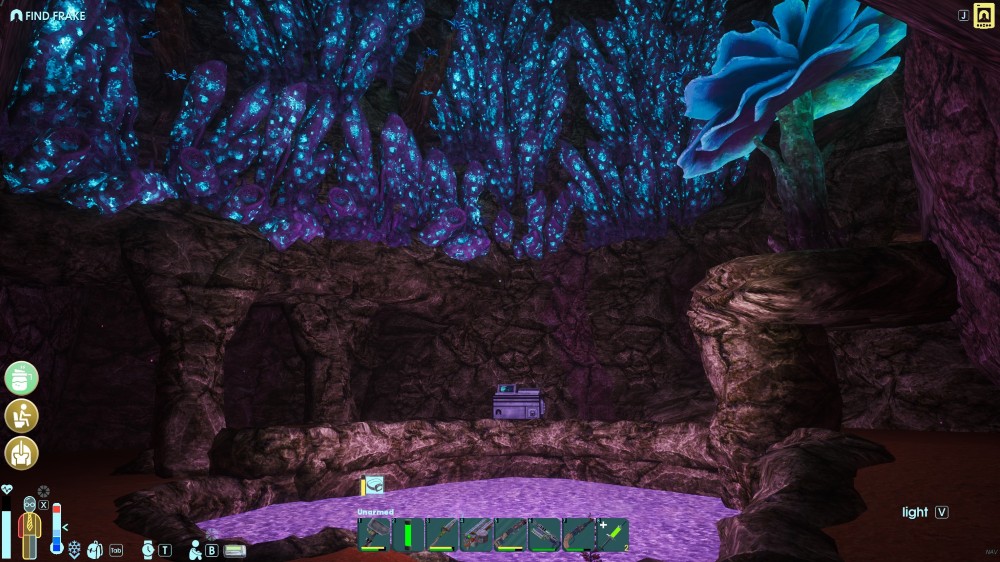
If you are link-averse, Abiotic Factor is essentially a closed-world survival-crafting game set in a SCP meets Half-Life-like setting with a similar plot. I mentioned “closed-world” instead of “linear” earlier because while the game does have an generally predefined path – as opposed to something like ARK – you get to unlock doors and open up shortcuts that will make backtracking more convenient. And there is indeed some backtracking required to collect additional resources to fuel your science machine.
I have found that the way resources are handled is… mostly acceptable. Just about everything in the facility can be stripped down for parts, but once they are gone, they are gone. In the meantime, you will find portals to various “anteverses” that you need to explore and complete. These portals are similar to the general facility in that they are more linear but you can unlock shortcuts for subsequent visits. Emphasis on subsequent visits. Twice every in-game week all portals reset themselves, including any items therein. To an extent, this does lend itself towards a sort of resource speed-run that gets tiresome after a while, especially when you’re looking for just one particular thing (Staplers, Glue, etc).
On the other hand: what other survival-crafting game doesn’t require farming some resources?
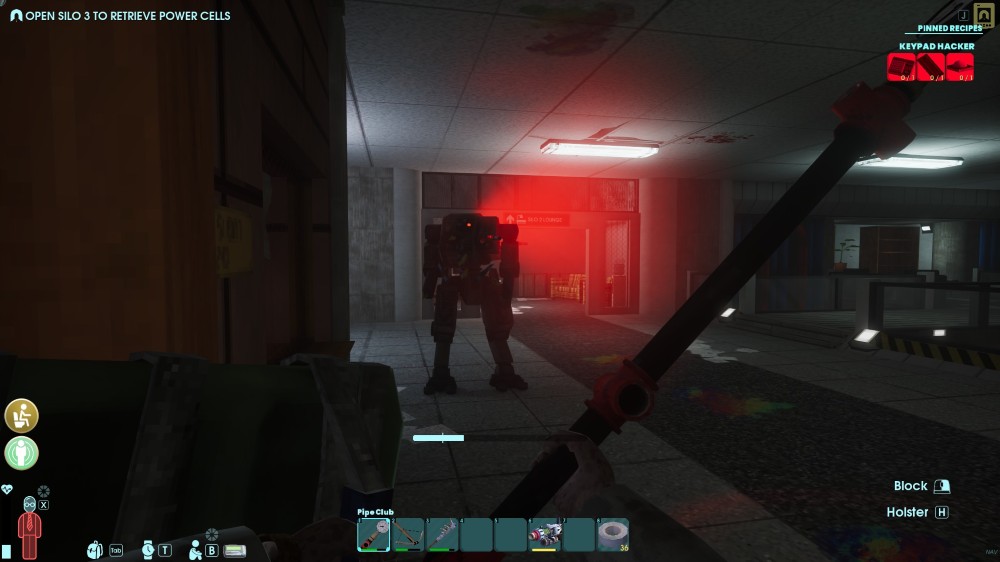
One element I have been surprised about is how well the devs maintained a sense of positive progression. In the beginning, the night is indeed dark and full of terrors – electricity is shut off, hostile security bots patrol, and you’re mostly sitting in the corner somewhere praying the noises of unknown source will just stop. After a while, you learn how to craft batteries and traps and makeshift barriers, creating a safe(r) space for yourself. Exploring further afield leads to longer return trips, which sucks. Then you make a cart, where you can stack your loot and push it back to base. Or you unlock a particularly helpful shortcut cutting down on the commute. You start creating forward bases instead of bringing everything with you. Finally, slightly past the mid-game… absolute bliss. Let’s just say you still need to explore new areas, but returning somewhere is no longer a problem.
At the same time, the general lethality of the game remains high even on Normal difficulty. You can be well armed and provisioned, but some enemies will still be able to take you out in short order. In the endgame where I am, some of the enemies have become a bit bullet-spongy too, but I’m not too mad about it because the difficulty of each encounter is largely in your hands. Having trouble clearing a room? How about setting up a bunch of turrets in the doorway and let them duke it out instead of you? There are power sockets in a bunch of places in the facility, and even if there aren’t, you can always bring your own fully-charged batteries. While not quite on the level of Prey, Abiotic Factor does give you a similar level of freedom.
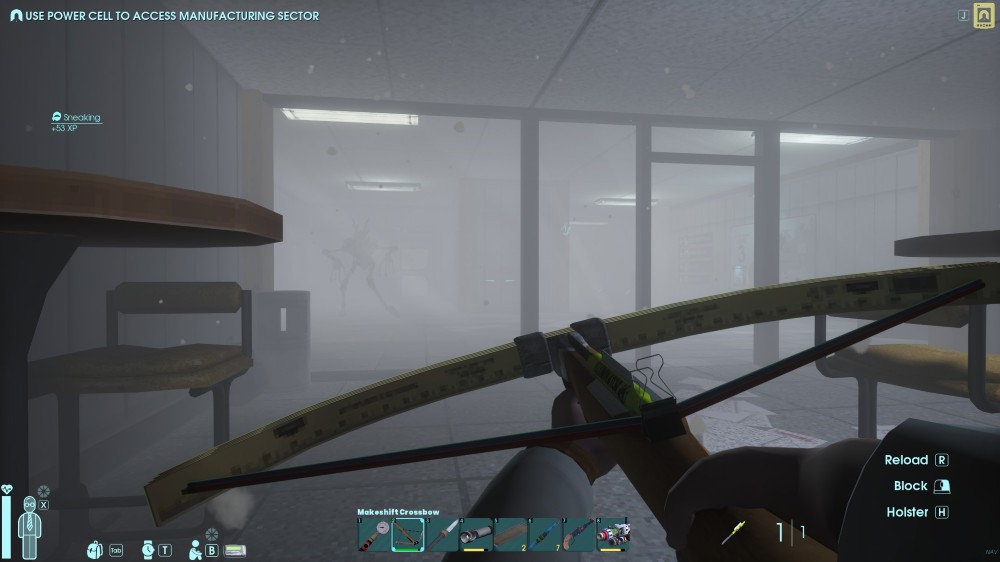
On the negative side, the game is not afraid of sometimes setting you up against (mostly) invulnerable enemies. Usually these act more as mobile traps/hazards, but a not insignificant portion of the game is spent being stalked by the equivalent of a Boo from Mario. It’s spooky and provides plenty of dynamic jump scare opportunities at first… and then the game keeps going for another 20 hours before you get something that can grant you peace. But surprise! There’s another at the endgame. Sigh.
Another downside comes from some lingering rough edges from Early Access. The devs have been very quick with hotfixes to patch various bugs, which is great. But there are some things that need some more love, or semblance of purpose. For example, there are several dozen cooking recipes with complex/rare ingredients that barely provide more sustenance than basic ones. Some weapons serve no discernable purpose, being weaker than what you had access to before. There are several endgame Sharp weapons, but no Blunt ones. Speaking of which, the late game annoyingly introduces you to new weapons and then immediately enemies that are resistant to their damage. Like… why?

These are all fixable problems though, and the devs seem like reasonable people thus far. I’m excited to hear what they have in store for v1.1 and beyond. Mostly. Because at the end of the day, I am very clearly nearing the end of the game. Clocking more than 130 hours is certainly sufficient for my money’s worth, but I’m nevertheless sad that starting over is unlikely to generate the same novel experience. This is where a more traditional, rogue-like survival game (e.g. 7 Days to Die, Minecraft, etc) might pull ahead in the long-term.
Having said all that, well… one hundred and thirty goddamn hours. Abiotic Factor is legit. It’s one of the most novel survival-crafting experiences I have had since Subnautica, and reminded me why I love the genre so much. Play now or play later, but I recommend playing it. Also, it’s on Game Pass.
The Alters
I recently completed The Alters after about 24 hours of gameplay via Xbox Game Pass. Overall, I found the experience to be unexpectedly poignant and also refreshing.

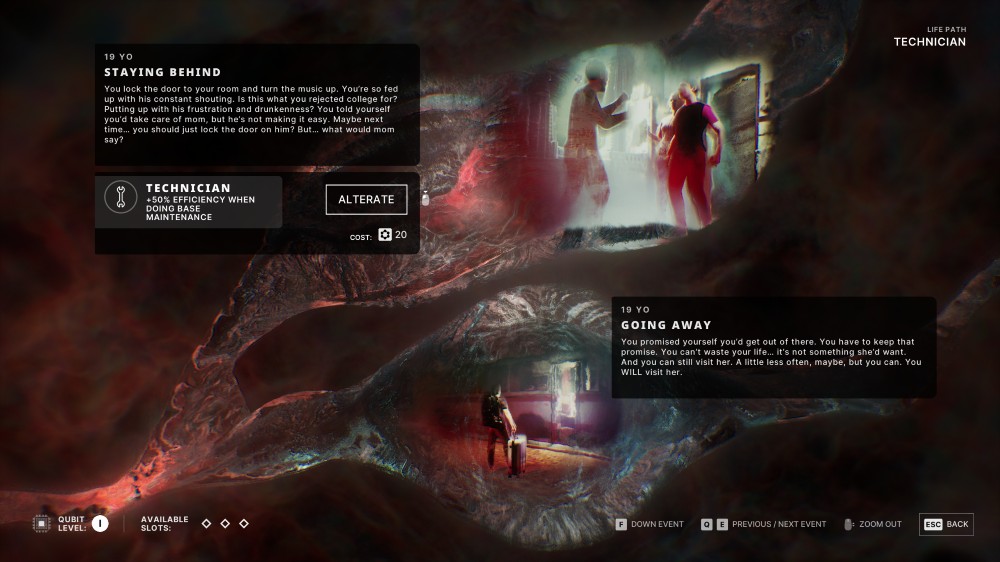
The general premise of the game is that you are Jan Dolski, sole survivor of a crash landing on a hostile planet. Getting your bearings, you discover that while the mobile expedition base is intact, there is no realistic way you can manage all of its components by yourself and still escape a scorching sun just over the horizon. In the midst of despair, you find Rapidium, the MacGuffin mineral that precipitated the expedition in the first place. With Rapidium’s special properties – plus a Quantum Computer and Mind Records – you are able to clone yourself and selectively modify the clone’s memories such that they made different choices at pivotal moments in your past, thereby specializing in different fields (such as Scientist, Refiner, Doctor, etc). You must then balance exploration for resources, base management, and keeping your surly other selves happy long enough to (all?) get rescued.
The first kind of obstacle I encountered with the game… was its very premise. I actually felt like the various Jans getting physically pulled from other dimensions would have been more believable. After all, you do actually encounter numerous “anomalies” as enemies to fight or flee from on the alien world you are stranded on. But the game does a good job of exploring multiple facets of its own seemingly-shaky premise, so if that is a potential hang-up, well, please dial again.
The only other sort of criticism I have with the game is the sort of stark shift in gameplay that happens within each Act. At the beginning of each section, you are typically left dangerously low on supplies in the midst of an unknown landscape, knowing that the game-ending sun with be coming up behind you after an unknown amount of days. This part feels exciting and strategic, as you attempt to balance securing resource locations with longer scouting trips. Once the map has been filled out though, you wind up ending yours days within 5 minutes by holding down a button at a mining drill (which fast-forwards time) before clocking out. At one point, I started to avoid leaving a specific Act so I could “farm” research unlocks and add the maximum number of sections to my mobile base. The difference between that and how I felt immediately after getting to the next Act was enormous. I just wish the ebbs and flows were more uniform, ya know?
Of course, I would be remiss to not mention the Alters themselves. While you are out and about (or even farming resources), the Alters will get into certain moods and come to you with requests that might require the diversion of resources. It is during these times that you learn more about your alternative paths and what could have been. This sort of thing could easily have devolved into some on-the-nose proselytizing, but… it doesn’t. None of your other selves really have fairy tale lives, and in spite of diverging several possibly ways, all end up choosing to participate in Project Dolly in the end. Was that narrative convenience? The constraints of the Quantum Computer in altering the Mind Records of the clones? Or is it a broader commentary on the choices you make in life and how you must seek meaning in them even if you end up in the same place?
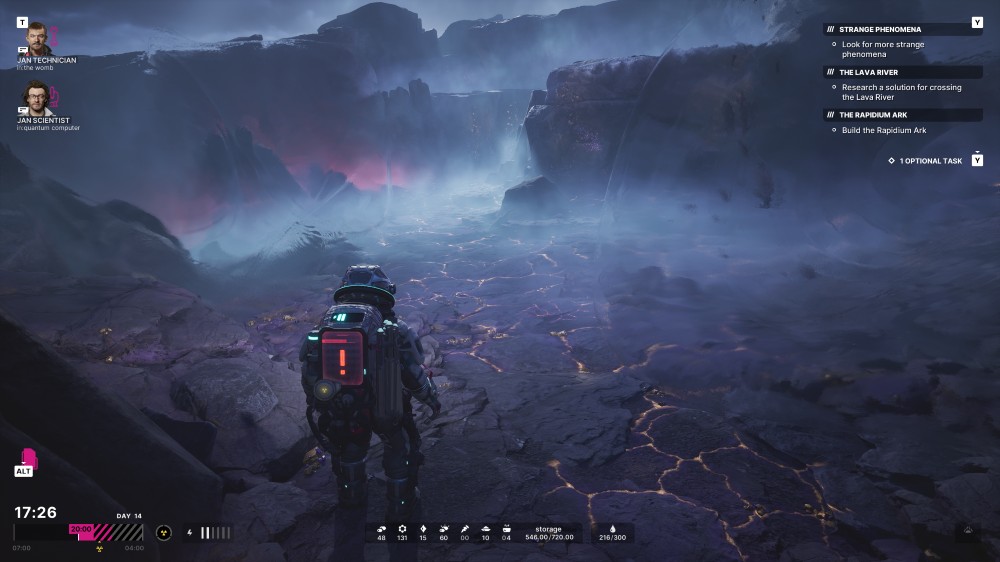
Overall, I would consider The Alters to be a top-tier Game Pass game. There is technically some replayability as you cannot choose all of the available Alters within a single play-through. Additionally, there are higher difficulties that probably make the second half of each Act more exciting from a resource juggling perspective. Regardless, hats off to the devs for making an engaging game, and also releasing it for $35 MSRP.
Laika: Aged in Blood
About a month ago, I was hesitant to pick up Laika: Aged in Blood (Laika) because I was not certain whether I already had it as part of a random bundle. After a while, I decided to just go for it. And what I discovered is a extremely brutal and brutally difficult metroidvania with impressive artwork and a ridiculously great soundtrack.
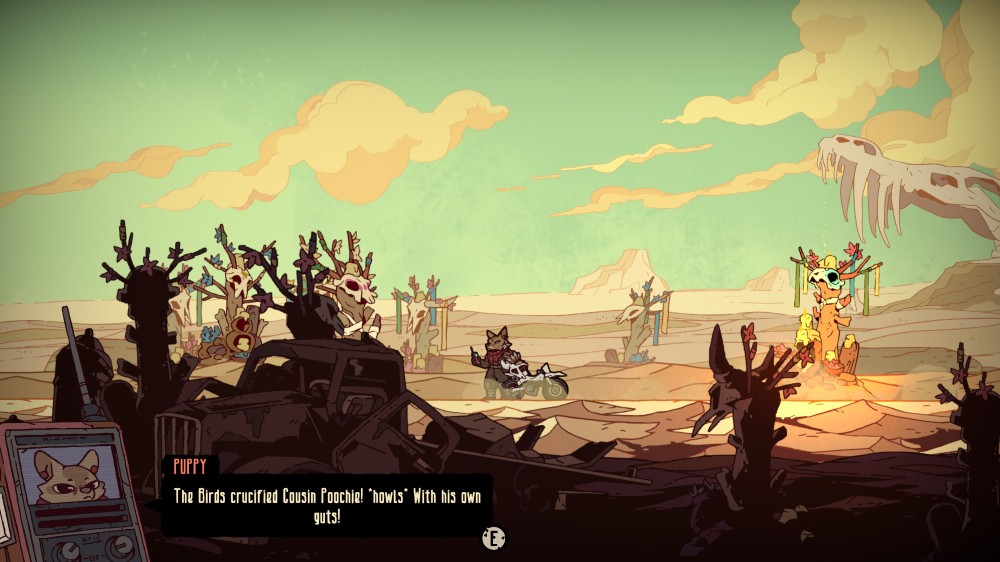
In Laika, you control the eponymous anthropomorphized coyote as she rides around the 2D post-apocalypse wasteland on a motorcycle. The game’s marketing really struck home with the “motorvania” tag, but it’s accurate. On a keyboard, W makes you drive forward, A & D will tilt you forwards or backwards, Spacebar will turn you around, and you use the mouse to aim in any direction and fire. If that sounds clunky… it is. Playing this game will require you to rewire your brain a bit. Especially considering you can only reload your guns by doing a backflip (!!). Yes, every time.
That is only the half of it though. Laika does not have a health bar because every bullet is fatal. Landing upside down is fatal. Hitting your head on a ledge is fatal. If you forget how the controls work, just pressing D for more than 2 seconds is fatal as you flip your bike over, even at a dead stop. Luckily, Laika takes a sort of Super Meat Boy/Hotline Miami approach where you respawn almost instantly… back at whatever checkpoint totem you last activated. Unfortunately, it also takes a halfway Dark Souls approach where you drop 50% of your upgrade currency in a bag at the location of your death.
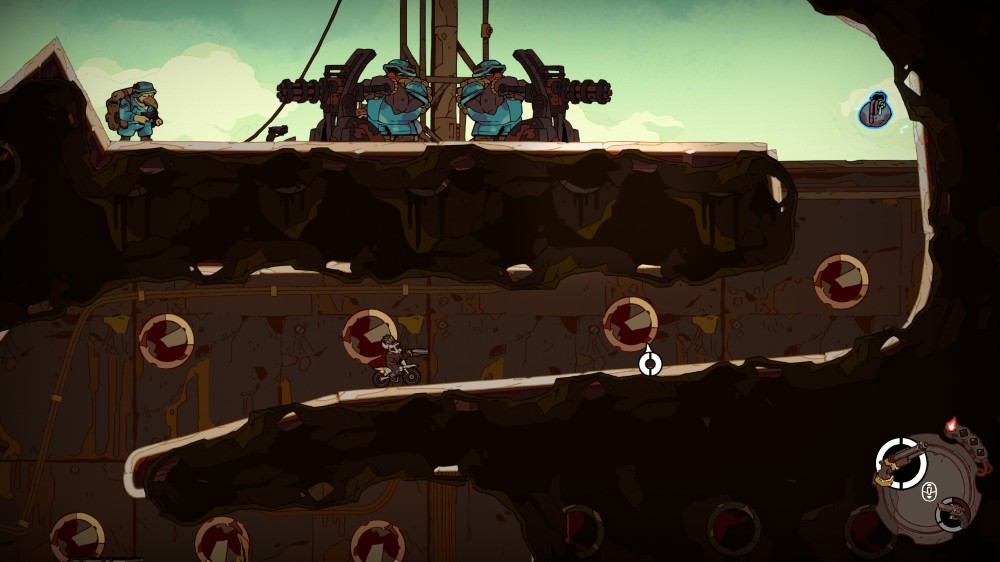
With the exception of a few boss fights, I eventually just vibed with the (death) experience. Your bike will protect you from incoming shots from the bottom and there’s an extremely generous bullet-time feature. It was quite satisfying seeing myself go from timidly seeking out obvious ramps to reload my pistol after every encounter, to trying to backflip from every bump in the road, to eventually just driving into encounters with only one in the chamber knowing I would be spinning around in the air deflecting bullets and reloading automatically anyway. I would still die to dumb shit all the time, of course, but my reaction was mostly on the “haha, oh man!” side rather than frustration. Considering I died 336 times (per Steam achievements), you kinda have to.
As for the rest of the game, it’s equal parts bleak, ultra-violence and touching melancholy. Indeed, the opening sequence has Laika discovering the horrific torture and crucifixion (with his own guts) of her young daughter’s friend at the hands of Birds. And yes, you do see Poochie hanging there. Considering the rest of the game is not nearly as gory and violent – guns and blood and bodies notwithstanding – I assume the devs wanted something extra brutal at the beginning to justify Laika killing all the Birds. Which was not all that needed, IMO, as the Birds were clearly a continued menace to everyone.
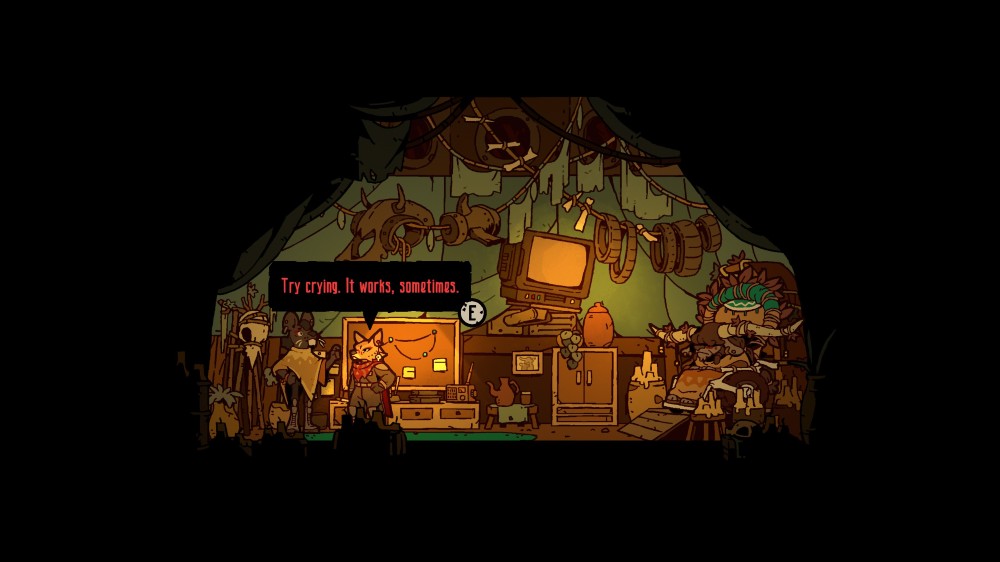
The final aspect I wanted to highlight is the soundtrack. Good Christ is the soundtrack fantastic. It is a lo-fi jazz-bar Western experience that perfectly fits the feeling of the game, or perhaps defines it. Even if you have no desire to play the rest of the game, I highly recommend browsing the soundtrack. The only negative is how some of these songs are collected or purchased from vendors in-game, which means after 18 hours of playing, you might be tired of the ones you heard more than others. Although I never seem to tire of The Whisper, or My Destiny, or even Bloody Sunset. There are technically “normal” non-voiced songs too, but they are more limited to certain locations, boss fights, and such.
So, yeah, that is Laika: Aged in Blood. It’s not a great game, and certainly not something I would play over again. But it joins that gnostic pantheon of games like LISA or Undertale where I am equal parts glad to have experienced it and glad it is over. Sometimes you just need the pathos.
Review: Dawncaster
Dawncaster is mobile deckbuilding roguelite that is in the esteemed company of Slay the Spire and Balatro for how many hours I have played, and how willing I was to pay real dollars for the privilege. While it does have some design choices that limit its depth, I can consistently find myself playing runs lasting for hours while also experimenting with different strategies.
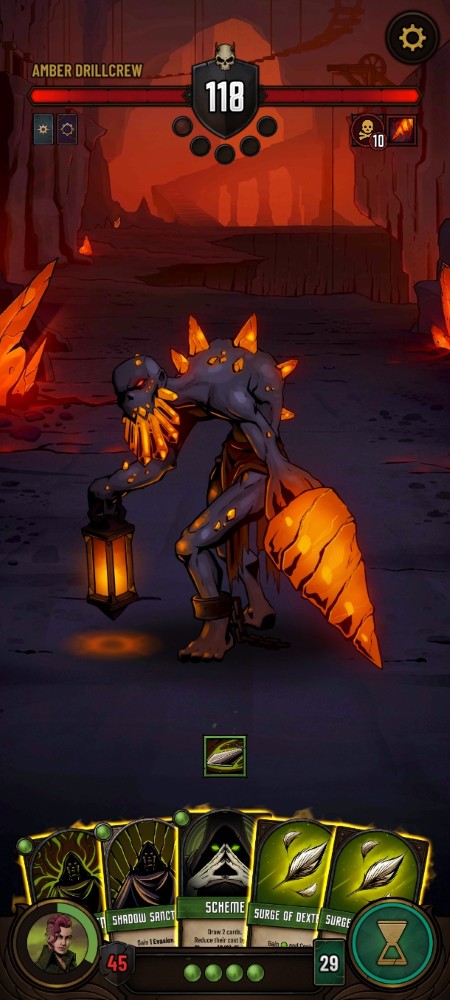
As mentioned, Dawncaster is a deckbuilding roguelite. At the beginning of each run, you can choose between one of six classes, which is then customized with a selection of Basic Attacks, a Weapon Ability, and then a special Starting Card. Alternative options can be unlocked using in-game currency earned from daily quests and completing runs (win or lose). Once you begin a run, you enter “Canto 1” (of 9) and are presented with three encounter options from a “deck,” which can include treasures, shrines, NPCs, or monsters. With the exception of treasures, the two non-selected encounter cards are then reshuffled into the deck. Your goal is to work your way to the boss of the Canto and defeat them.
Monster combat is fairly typical for the genre. Each turn, you gain energy of a specific type (Blue, Green, Red, etc) for your class and draw 5 cards; leftover energy is carried over into future turns, but cards are discarded. From this base, a wide variety of scenarios and strategies develop. There are debuffs like Bleeding, Poison, Doom, and buffs like Armor, Barrier, Focus. There are cards that draw cards, cards that discard cards, cards that stay in your hand from turn to turn, curses that go into your deck or the enemy’s deck, enchantments, temporary cards, and so on and so forth. Also, cards can be upgraded and even have keywords added to them.
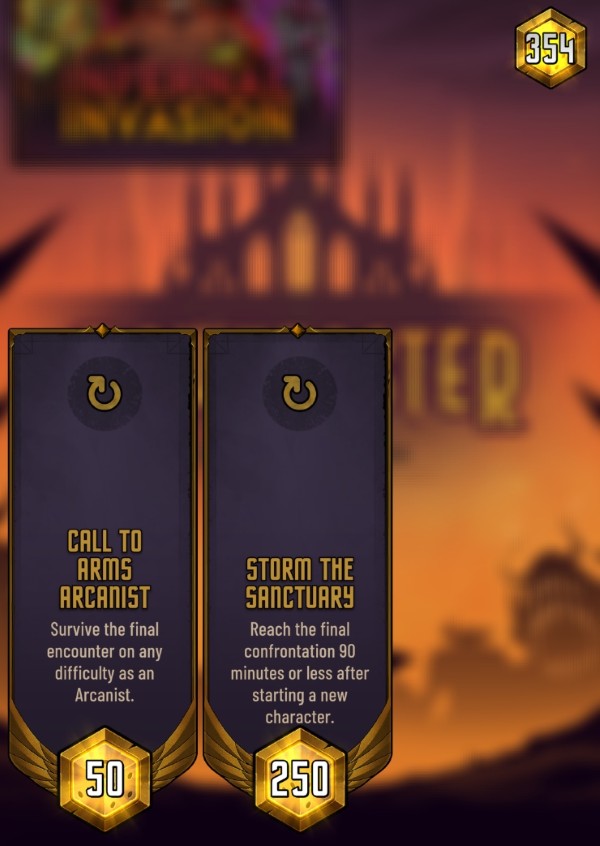
If anything, the sheer breadth of options is one of the shortcomings of Dawncaster. And, paradoxically, that same breadth leads to many runs feeling the same.
As mentioned previously, there are six classes… but there are no specific class cards, only color cards. Certain classes start locked to a specific color, such as the Arcanist and Blue energy. After each successful combat encounter, you get to select one of three card rewards that are tied to what energy you have access to. Generally speaking, the mechanics within each color are synergistic, but even when they aren’t, at least you can try to focus on the one you want. The problem is when you gain access to other colors, which can happen at class selection or even during a given run depending on your choices. At that point, you still only get three card rewards after each encounter, but now the card pool expands to include both colors. Sometimes this can be a good thing – some colors are better at card draw or specific debuffs, etc – but often this means you will be offered useless rewards for most of a run, leading to failed decks. Alternatively, even when things go perfectly, it usually does so because a specific combo is so much better than the other available options.
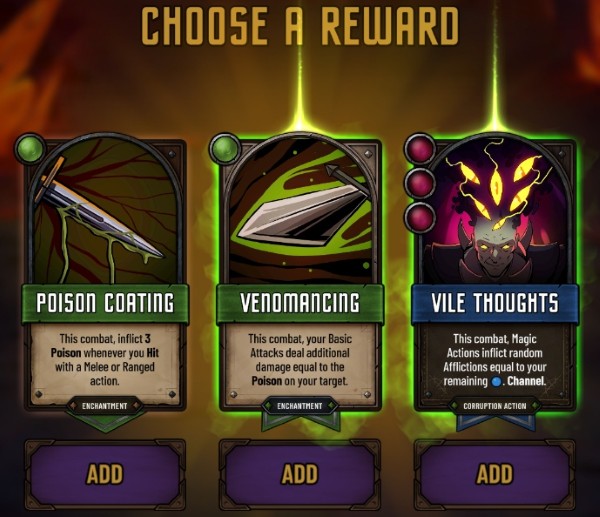
Dawncaster has multiple DLCs available for purchase, which adds more cards, enemies, encounters, and bosses. Tragically, the additional cards do not feel all that good because of the specific issue above: if they are not directly related to your strategy, they just pollute your limited card choices. There is a shopkeeper NPC that gives you a bunch of card choices, but again, there are so many cards out there that you can hit them up a half dozen times and still never find the necessary cards to make your strategy work. Of course, targeting a specific strategy is probably not the best idea; I would never start a Slay the Spire run and say “I’m doing a Poison build this time” before seeing some good Poison cards. But at least with Slay the Spire, I would only see The Silent cards as rewards, rather than every class.
Anyway, this is the quibble I have with Dawncaster after literally a hundred hours or more of gameplay. I still feel like Slay the Spire is the better deck-building roguelike, but Dawncaster is in the top 5 for the genre, if not directly second place (especially on mobile). If you are looking for something to play on your phone that isn’t F2P and/or gacha, I can definitely recommend this game.
Balatro
If you haven’t heard about the latest indie darling, Balatro, let me tell you: it’s legit. Balatro is available on both Steam and now on mobile, the latter of which is what I recommend picking up, as there aren’t many non-exploitative mobile games out there.
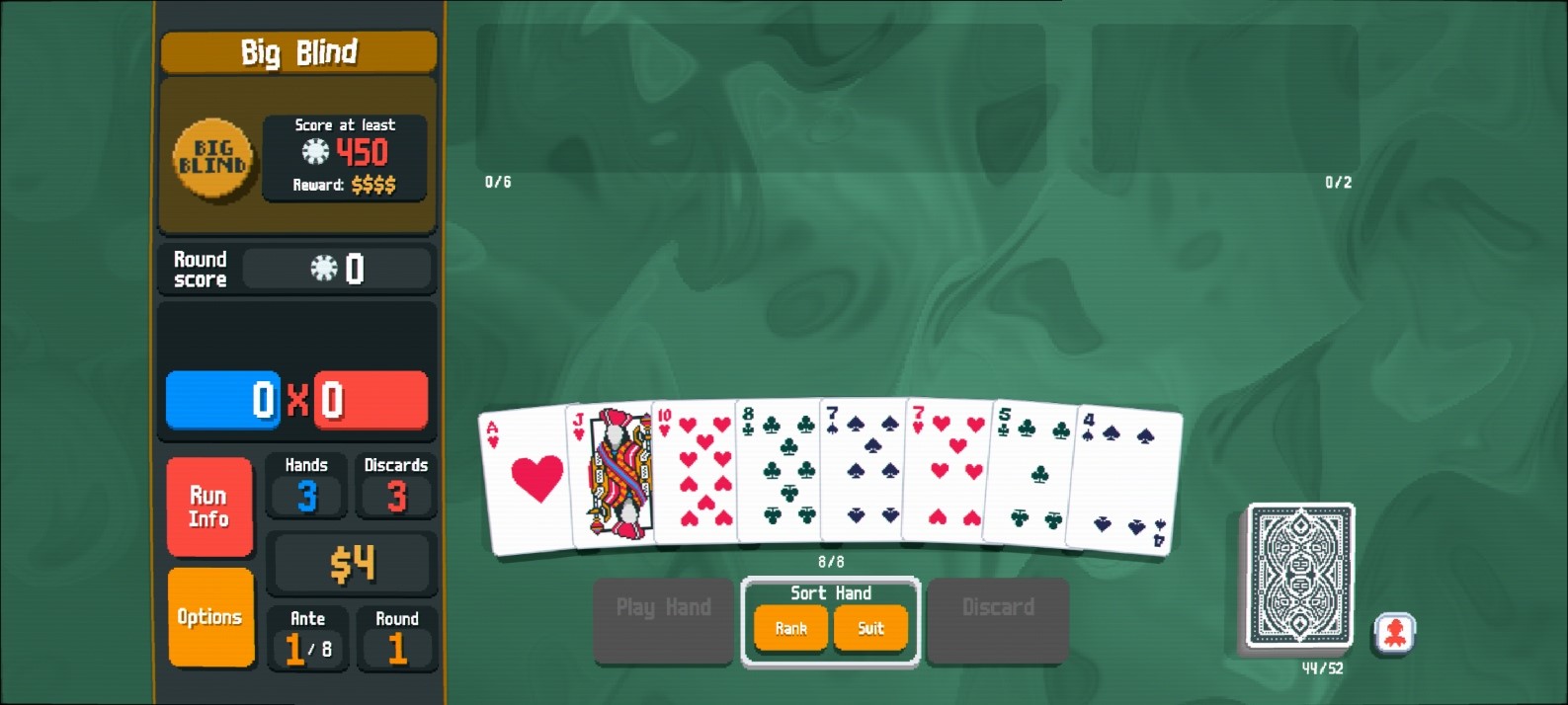
Fundamentally, Balatro is a deckbuilding roguelike based around making poker hands using a standard deck of cards. Your overall goal is to clear eight “levels” (Antes) that consist of three “battles” (Blinds) apiece, one of which is a boss that has negative modifiers. Battles are won by exceeding a score (Chips), which is generated based on the poker hands you play… plus any modifiers. For example, let’s say you have two pairs: a pair of Queens and a pair of 5s. A two pair hand is worth 20 Chips x 2 multiplier by itself. You then add the face value of the cards used to the Chip value, so it ends up being 50 x 2, or 100 Chips. The very first Blind requires 300 Chips or more to beat, so you would be well on your way to success there. Under normal settings, you get to play a total of 4 hands to beat the Blind, and get a total of 4 discards (up to 5 cards each time) in order to make said hands.
Winning battles gives you a base level of money ($3-$5) with bonuses based on unused hands remaining and “interest” on unused cash from prior rounds. You use this money in-between rounds in a shop phase that lets you purchase various things.
The twist with the game comes from the modifiers available.
The Jokers are the most famous elements of the game, and they truly run the gamut. The most basic Joker grants you +4 to your multiplier; if we had that with our earlier two pair hand, the Chips score would have been 300 by itself (50 x 6). Some Jokers give you a scaling buff, some revolve around increasing your economy, some focus on enhancing specific suits or poker hands, some give bonuses to other Jokers, and so on. You get to equip up to five Jokers under default settings. Then there are Planet cards. These are consumables that permanently (for this run) upgrade the scoring of poker hands. Then there are Tarot cards, which are consumables that do a bunch of different things, including giving you more Tarot cards, more Planet cards, changing the suits of specific cards, etc. Oh, and the deck of cards itself can be enhanced or augmented to a variety of ways – cards can be deleted, added, changed to give +4 multiplier when scored, give more points when not played, etc. etc.

As you can probably tell, the dopamine hits come from the combination of regular poker RNG along with Joker RNG, boss RNG, shop RNG, and generally shenanigan RNG. You could be just scraping by, hit an amazing shop, and walk into the next round flush with cash and scaling Jokers. You could be breezing through the game and then hit a boss modifier like “Diamonds are debuffed” and do a ShockedPikachu.jpg when your “turned all the cards into Diamonds” deck is shafted. And, yeah, while I mentioned the word RNG a bunch previously, at the end of the day it is still about poker – there are strategies and probabilities that you can leverage to improve your expected outcomes.
Perhaps the best part of Balatro is the simple fact that it is a complete experience. There are no micro-transactions, no DLC, no real-world money intervention. I purchased it from Google Play for $10 and that’s that. Overall, I would still claim Slay the Spire to be the best deckbuilding roguelike, but Balatro certainly jumped out of nowhere to land in the top-5, if not second place. Not bad for a 1-man team.
1000xRESIST Complete
I finished 1000xRESIST about a day or so ago. Verdict: it’s very good.
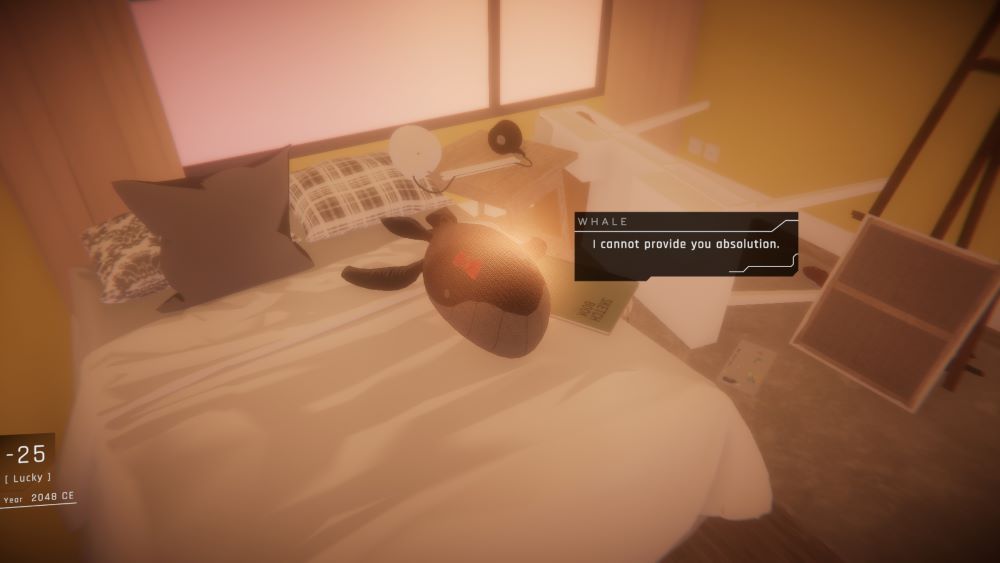
Also, fair warning, it’s longer than you think. I kept getting into sequences where I’m like “oh they’re wrapping things up” and… nope. Another entire section. And then another. Total playtime for me was 13 hours. The game doesn’t overstay its welcome or get too diluted necessarily, but it’s one of those things you should keep in mind as you play.
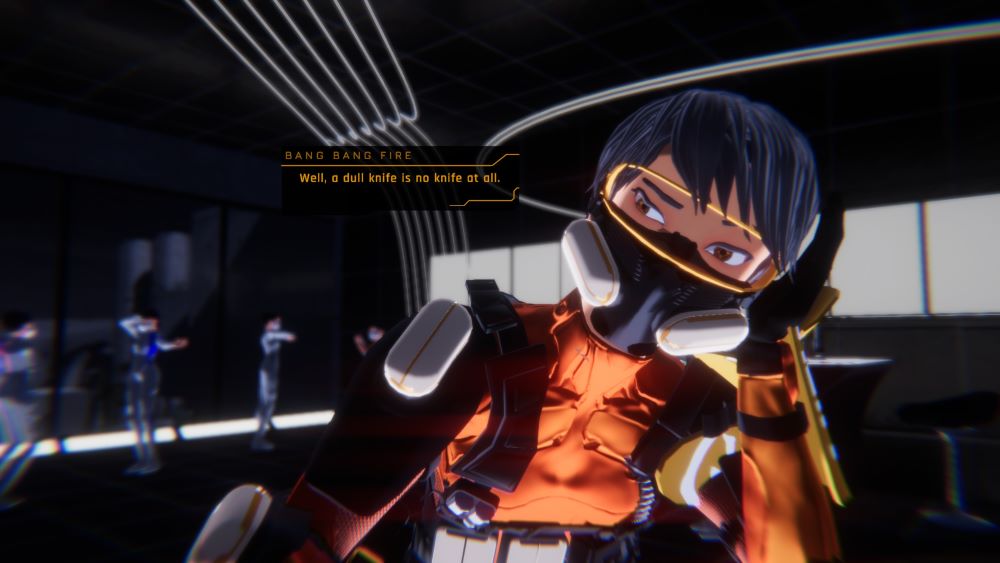
Speaking of “playing,” as previously mentioned, 1000xRESIST is definitely on the walking-simulator side of things. You have to talk to certain people to move the story forward, but you can also run around and talk to a bunch of different people too. I very much encourage you to do so, because there were surprisingly poignant side stories that were tucked away in unassuming spots. That said, there are definitely some really cool time jump sequences where you can bounce back and forth to navigate around obstacles. Plus, the devs really mix things up with perspectives at times.
So… what’s it all about? It’s tough to go in deeper than a surface level without getting into spoilers.

Essentially it’s a sci-fi story wrapped in a coming-of-age story wrapped in generational trauma and real-world (Asian) political events. Specifically, the Hong Kong riots of 2019. At times, this both worked and didn’t work for me. There is a kind of banality when it comes to political metaphors in fiction, IMO, especially when things are so on-the-nose. The 3-Body Problem book series starts out with Mao’s Cultural Revolution, but it’s not about the Cultural Revolution. With 1000xRESIST, the game is mostly about the Hong Kong riots back in 2019 and ensuring diaspora; not only were the parents of Iris protesters who eventually fled, but the alien beings who invade are labeled Occupants, the deadly disease they bring causes you to leak water from your eyes (tear gas), etc, etc.
That said, the rest of the dialog and interpersonal relationships within the game make it worthwhile. Seriously, I ended up taking over 100 screenshots throughout the game from when the writing shocked me and/or made me abruptly laugh. The banter is witty, biting, and sometimes all too real. The shifting gameplay elements are unique and kept things interesting. I’ve mentioned it previously, but I also extremely enjoyed the world-building language of the game as well. Still want to use “hair to hair” IRL.
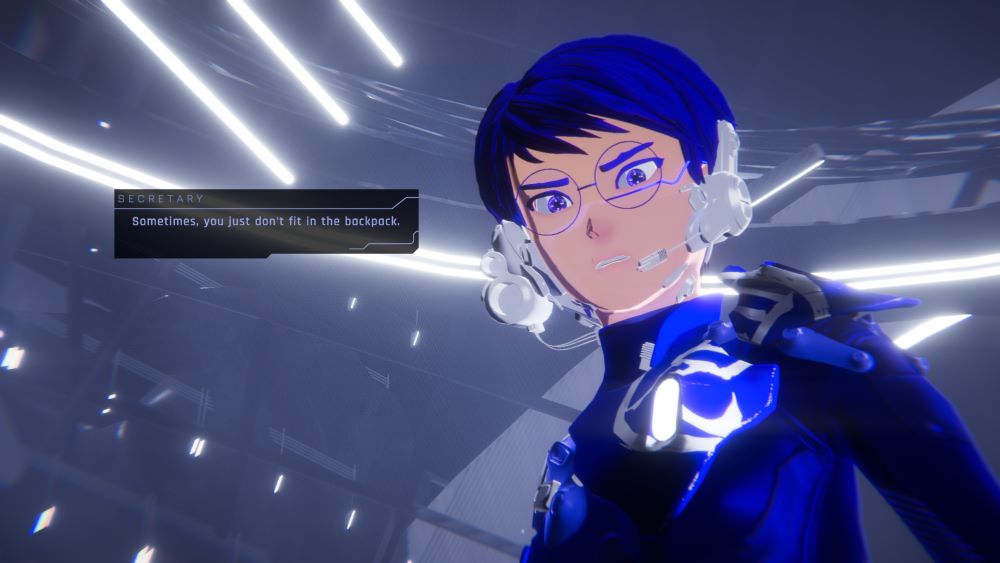
Overall, I enjoyed my time.
Review: Zero Sievert
Imagine a top-down pixel STALKER roguelite with a dash of Escape from Tarkov and that’s Zero Sievert.
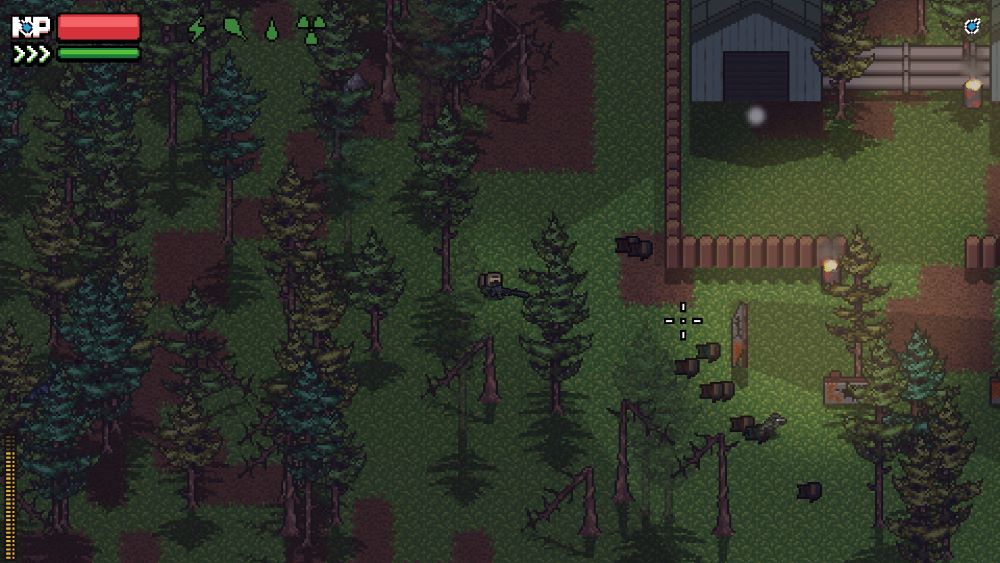
The general gameplay loop is:
- Take a train to one of six randomly rearranged zones
- Loot, kill, maybe complete some radiant-style quests
- Stay alive long enough to get to the extraction point
- Offload junk back in base, buy/craft things, prep for the next scavenging run
- Repeat
That may sound a bit reductive, but honestly, that’s the game. And I can say that out of the 40 hours that I played, I had fun for almost 30 of them. Which is good! Probably. I just wish that all of the hours were fun, rather than slowly succumbing to an aching grind and increasingly vague story progression.
In the beginning, everything is dangerous and exciting. Wildlife can kill you in seconds, you have no armor to speak of, your weapons are likely terrible in comparison to Bandits or others you encounter. The first time you kill a Bandit and realize you can just take their (damaged) gun and armor though? Exhilarating. You will end up needing to loot a whole bunch of related items to earn enough cash to make repairs, but the feedback loop goes hard. Death means you lose all progress since you arrived via train, with the harder difficulty options actually resulting in your losing everything you had equipped too. Don’t worry, just losing your time is punishment enough, as there is no guarantee that the enemies you face will even have the gun you are hoping to see the next time around.
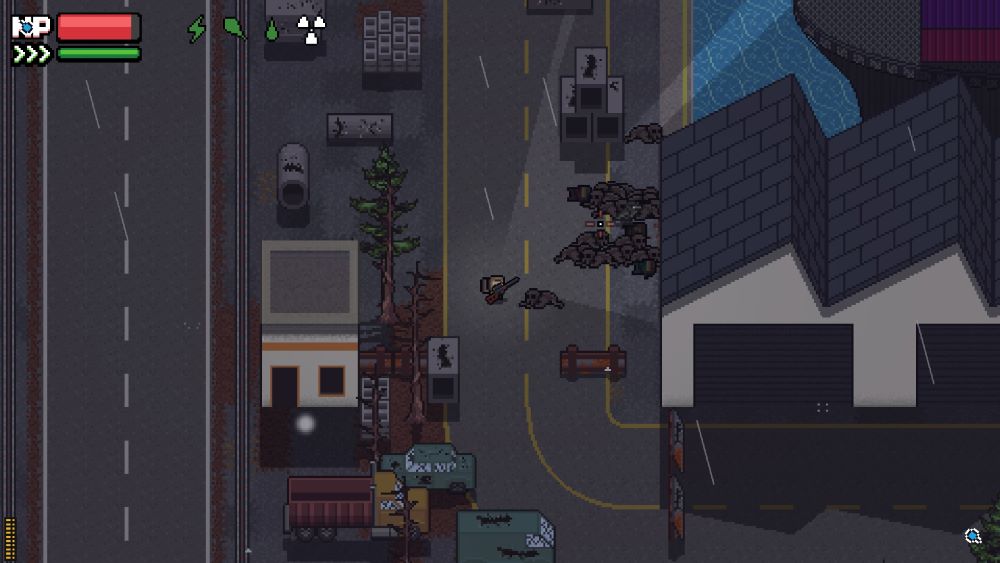
After a while though, the veneer rubs off. You cap out progression-wise, with the guns and armor you wanted, and you’re still slogging your way through story missions increasingly filled with hundreds of mutant foes. Then there are times when a late-game quest says to explore a lab, but what it meant was talk to a dude first then go to the lab, as otherwise you spent 40 minutes to accomplish nothing. And once that’s done, your next mission is to explore the last zone… but it’s not an option until it’s unlocked. Somehow. No, seriously, there was no active quest that indicated how to unlock that last zone. According to forums, you have to complete some random number of missions to finally get it to populate. Which… nah, I’m done.
Overall, I’m not mad with Zero Sievert. It was fun until it wasn’t. The v1.0 release happened just last month and it’s very clear that, like a depressingly large amount of Early Access titles, it was released more for dollar reasons than design reasons. For example, you can talk to friendly factions out in the world and you have the same Talk/Quest/etc options that you would back at base, but they never have anything to say. Although such NPCs have very short lifespans, I could see future updates fleshing out that mechanic a bit better.
In any case, that’s Zero Sievert.
 In An Age